
Flood is the one of the most terrible natural calamities in Australia. The nation often face the challenges of intense weather condition due to record rain and flooding situation.
Thus, it becomes imperative to deal with the deadly floods and its repercussions by preparing everything in advance. Make sure you understand the importance of first aid awareness and its components to reduce the impact of the natural calamity on people.
If you are passionate about doing social service or want to make your career, join the most reliable first aid training course in Brisbane. They will guide you help you prepare for emergency situations like flood.
Let’s Get Started!
Potential Concerns Caused by Flood
Before preparing a first-aid kit for flood, it is important to understand potential accidents and personal injuries that people may encounter.
Some of the safety threats are:
- Drowning: It can lead to death.
- Electrocution: Believe it or not! Flood water can lead to various electrical risks, such as live electrical wires, etc.
- Physical injuries: This includes scratches and wounds, fractures etc due to exposure to heavy and sharp objects.
- Diseases: Flood can lead to various harmful diseases, such as cholera, foodborne illnesses etc due to contaminated water.
- Hypothermia: It is one of those conditions that occur when the body temperature drops below the normal range. It can happen because of cold flood waters or exposure to hazardous elements for a longer time.
A Complete First-Aid Guide on Flood
Here is a complete guide shared by the best first-aid training centre in Brisbane:
1. First Aid Kit
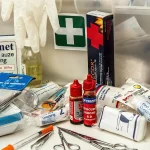
Having a first aid kit handy during a flood can provide necessary supplies for treating illnesses and injuries. A first aid kit must include:
- Gauze
- Bandages
- Pain relievers
- Antiseptic wipes, and
- Other resources to treat scrapes, minor injuries and cuts.
2. Understand ‘DRSABCD’
When you face the flood emergency, you need to respond to the situation immediately. Thus, it is imperative to learn everything in advance and understand ‘DRSABCD’ acronym. It helps provide first-aid on time:
D- Danger: Make sure you evaluate the potential danger to create a safe environment and provide first aid.
R- Response: Ensure whether the person is responding to you or not. Call for help if required.
S- Send for Help: Contact the emergency services, such as ambulance without any delay.
A- Airway: Do not forget to thoroughly inspect and clear the airway.
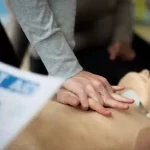
B- Breathing: check the breathing and begin CRP if required.
C- Compressions: thoroughly compress chest of victim.
D- Defibrillation: It is important to have and utilise an automated external defibrillator if required.
You can join the best first-aid training course in Brisbane to develop your skills.
3. Prep for Health Emergencies
After a flood disaster, make sure you prepare for the health emergency situations. Many people lose their calm after seeing the adverse situation around themselves. Having the proper knowledge to administer first aid can reduce the risk of injuries and provide instant relief from the pain.
Wrapping up
These are some of the key aspects you need to consider when preparing first aid for flood like situation and keep the victims protected.