Emergencies do not send a calendar invite before coming, especially at work. Whether you’re in a quiet office or a bustling warehouse, understanding how to respond to medical emergencies can save lives. While first aid training provides you with the skills to remain calm and act quickly, being informed of the most typical workplace situations is equally crucial. Preparedness is essential for situations ranging from sudden collapses to allergic responses. This blog will look at five medical situations that can arise on the job and why learning how to deal with them is critical for all employees, regardless of their role.
- Cardiac Arrest
Cardiac arrest is among the most crucial medical emergencies in the workplace. It occurs when the heart suddenly stops working properly, preventing blood circulation to the brain and other important organs in the body. In such situations every second counts. Without prompt action, a person’s chances of survival drastically decrease.
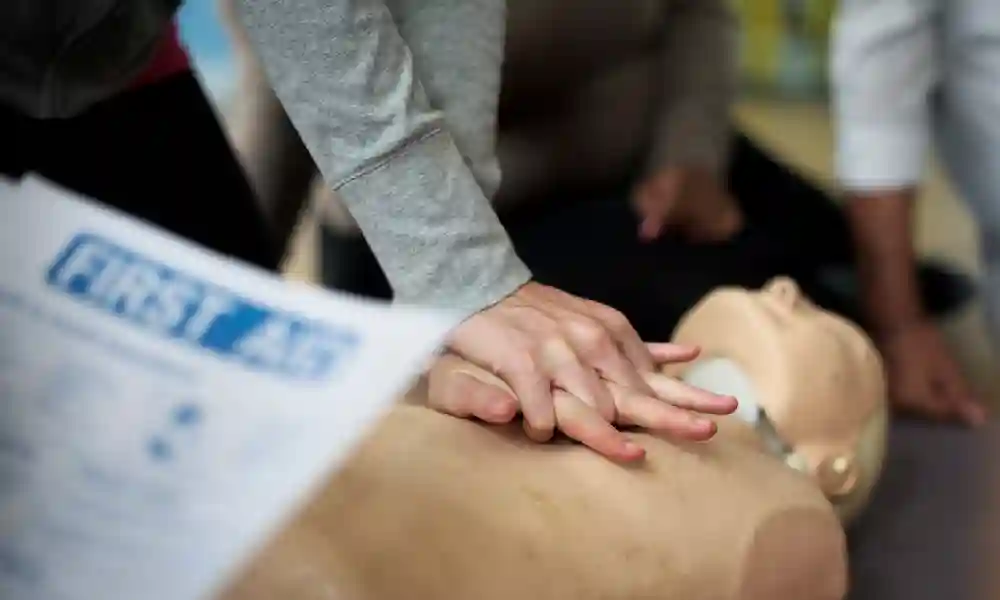
Recognising symptoms such as sudden collapse, no pulse and unresponsiveness is critical. CPR and the use of an Automated External Defibrillator (AED) can increase the chances of survival by double or even triple. Workplaces with skilled employees are far more likely to respond quickly and efficiently. This is why CPR and AED training are usually included in certified first aid courses.
- Severe Bleeding
Accidents involving sharp tools, machinery, or even broken glass can lead to significant bleeding. In industrial or construction environments, these risks are even higher. When someone is bleeding heavily, it’s important to act quickly to reduce blood loss and prevent shock.
Applying firm pressure and securing the wound until emergency help arrives can prevent the situation from worsening. Without proper training, there’s a risk of panicking or applying care incorrectly, which could do more harm than good. First aid training helps individuals learn how to identify the severity of bleeding, apply dressings correctly, and remain calm under pressure.
- Choking
Choking can happen unexpectedly during meal breaks, office celebrations, or any situation involving food. When a person’s airway becomes blocked, they may be unable to speak, breathe, or cough effectively. This creates a frightening scenario for both the victim and bystanders.
The correct response involves a combination of back blows and abdominal thrusts, which must be done with care and confidence. In situations involving children or elderly staff, the techniques may differ slightly. First aid training prepares individuals to act immediately and appropriately during such critical moments, helping to clear the airway and potentially save a life.
- Seizures
Witnessing a seizure in the workplace can be alarming, especially if it’s a person’s first or if others are unsure how to help. Seizures can present in many forms, from full body convulsions to brief lapses in attention, and may stem from underlying medical conditions such as epilepsy.
During a seizure, the priority is to keep the person safe and prevent further injury. This means clearing the area, cushioning the head, and waiting until the seizure passes. It’s equally important to know what not to do, such as trying to restrain the person or placing objects in their mouth. First aid training provides the knowledge and confidence to manage seizures with care and respect.
- Anaphylaxis
Severe allergic reactions, known as anaphylaxis, can develop rapidly and become life threatening within minutes. Common triggers include certain foods, insect stings, or medications. Symptoms often include swelling of the face or throat, difficulty breathing, skin reactions, or dizziness.
In such cases, an adrenaline auto injector (such as an EpiPen) may be required immediately. Prompt recognition and response are critical. Without the right knowledge, bystanders may hesitate or misjudge the severity of the situation. First aid training helps individuals understand how to recognise the early signs of anaphylaxis and use emergency medication correctly, which can mean the difference between life and death.
Wrapping Up
Medical emergencies are unpredictable, but being prepared doesn’t have to be. When staff are equipped with first aid training and an understanding of common emergencies like cardiac arrest, choking, severe bleeding, seizures, and anaphylaxis, the workplace becomes a safer environment for everyone. These situations demand quick thinking, steady hands, and the confidence to act without hesitation. First aid training doesn’t just build those skills; it saves lives. If your workplace hasn’t prioritised first aid education yet, now is the time to start.